
Helping Teams to Ship Consistent Experiences 37% Faster with Personas
The Home Depot
Role: Project Lead & Lead Designer
Team: Lead UX Researcher, Sr. UX Content Strategist
Timeline: 6+ months
At first, my goal was straightforward: make it easier for people to find what they need on our product list page (PLP). But as we dug deeper, we found a bigger issue. Each team had a slightly different idea of who our “DIY customer” was, which led to inconsistent designs, confusing content, and wasted effort across the board.
Problem
Too Many Definitions, Too Much Confusion
With over 15 teams working on different parts of the same pages, there was no shared understanding of our customers. Every team had its own version of what a “DIY shopper” looked like, which caused problems like:
Mismatched designs and messages.
Missed opportunities to make shopping easier.
Frustration for teams and customers alike.
We needed to stop guessing and start agreeing on who we were designing for.
How We Found the Real Issue
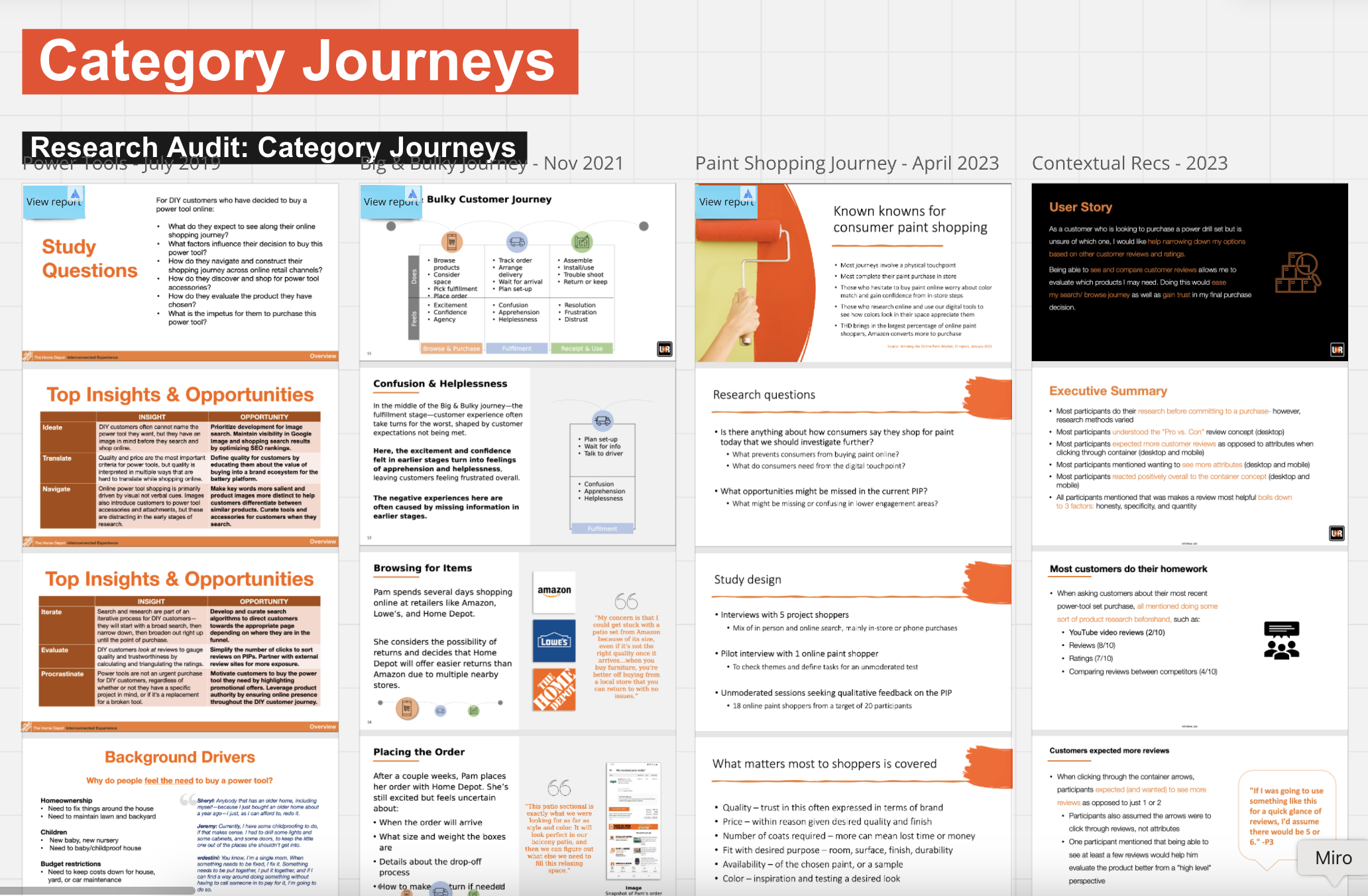
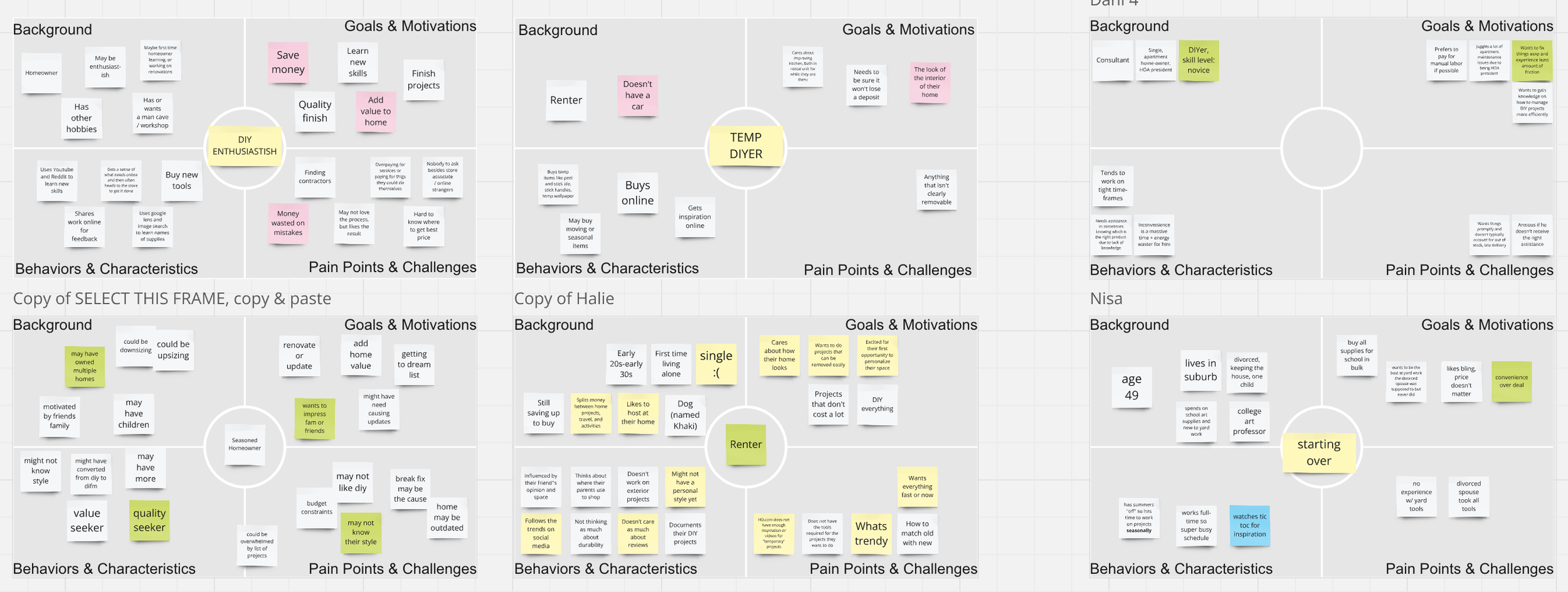
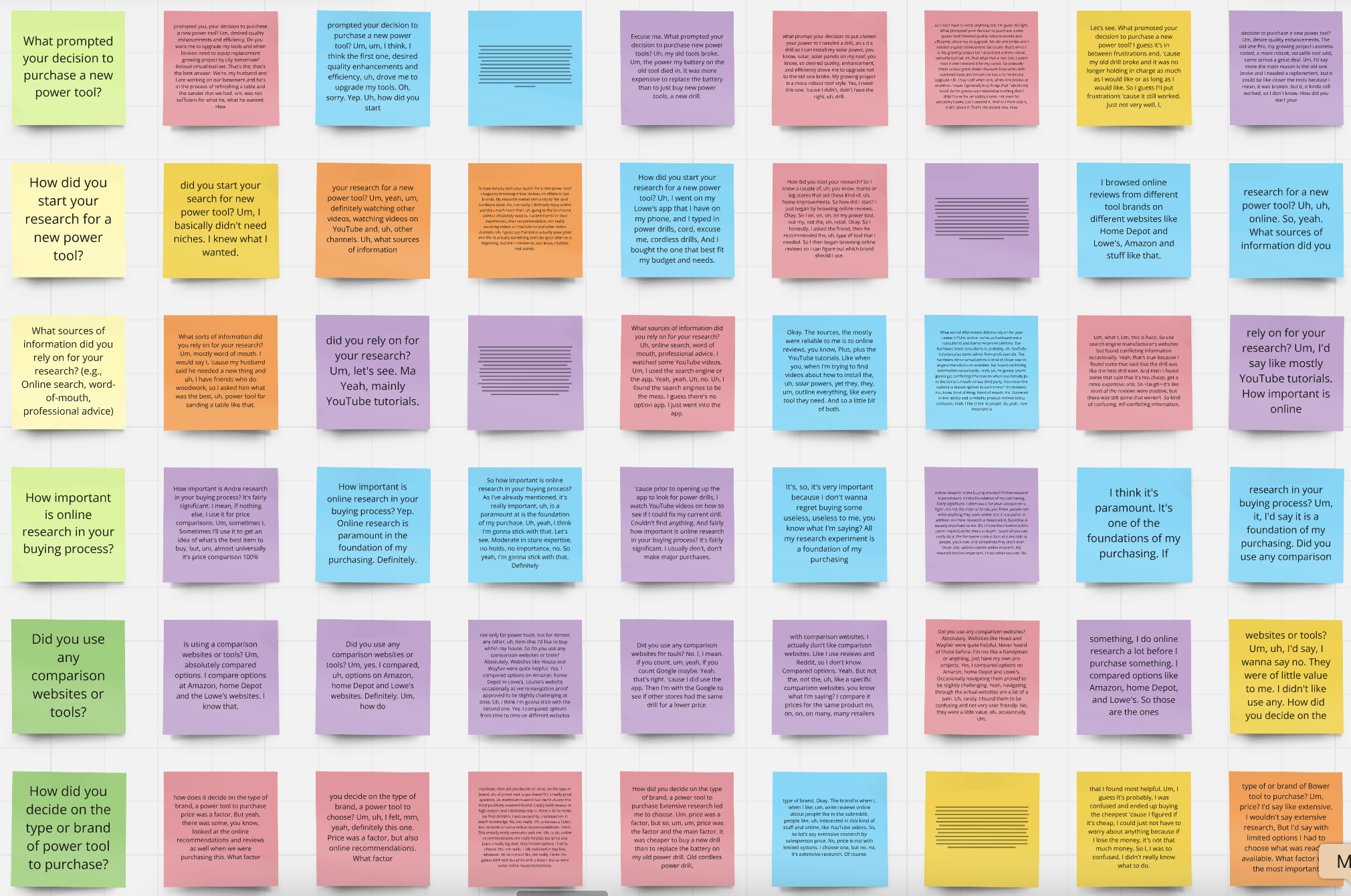
Our process was like solving a puzzle:
Solution
Getting to Know Our Customers
Working closely with our researchers, I set out to understand what really mattered to our customers:
We started with the research we already had and then talked to over 500 people through surveys and interviews.
These conversations helped us identify patterns in what people want and struggle with when shopping.
To keep things simple, we grouped shoppers into five easy-to-understand types that captured the most important differences.
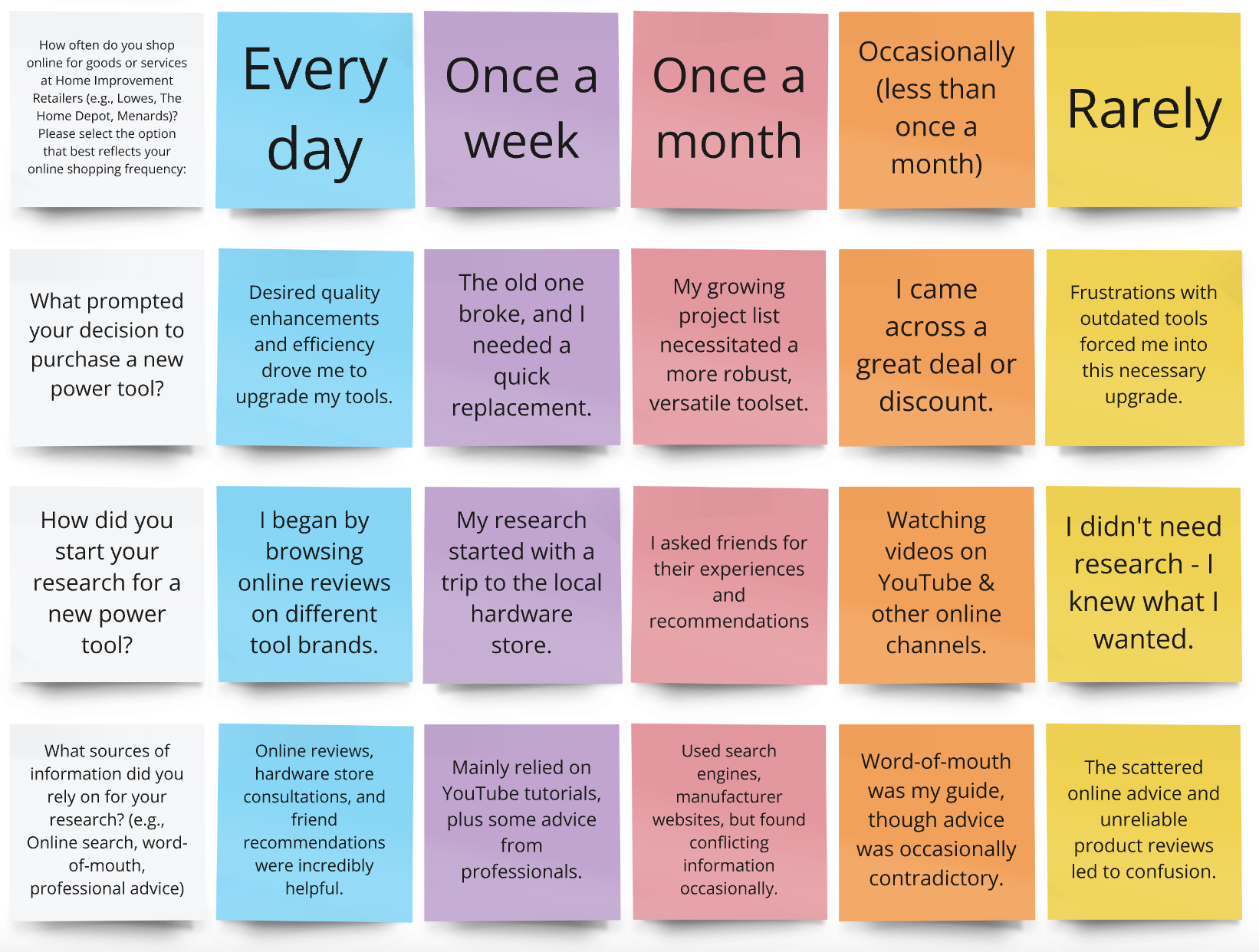
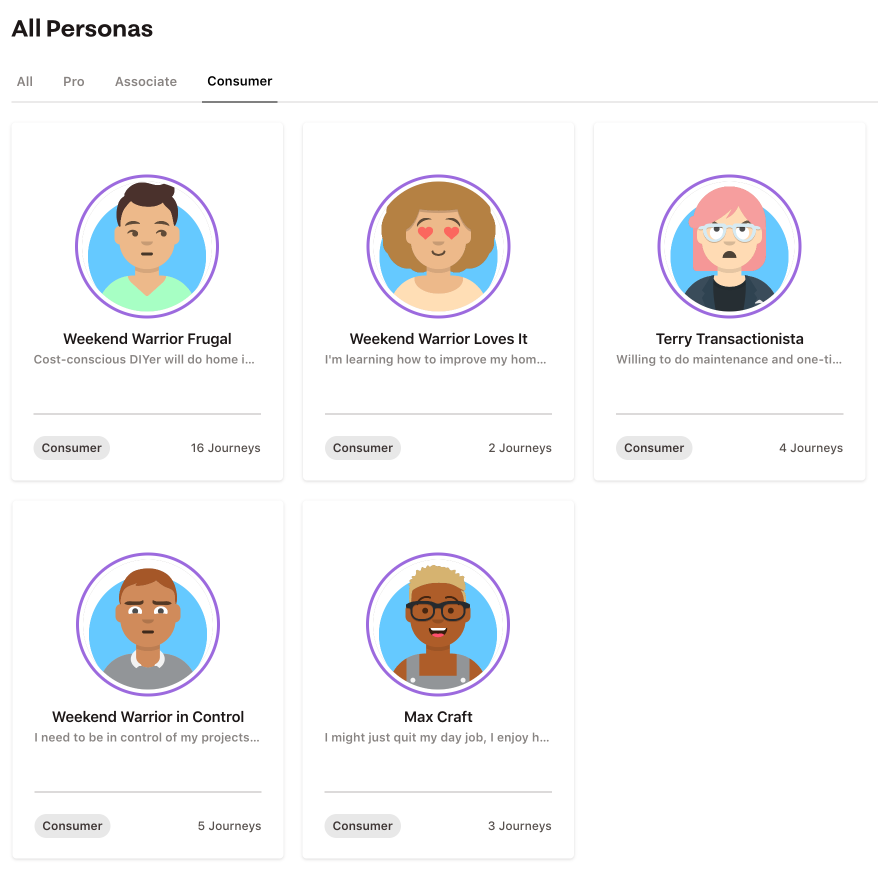
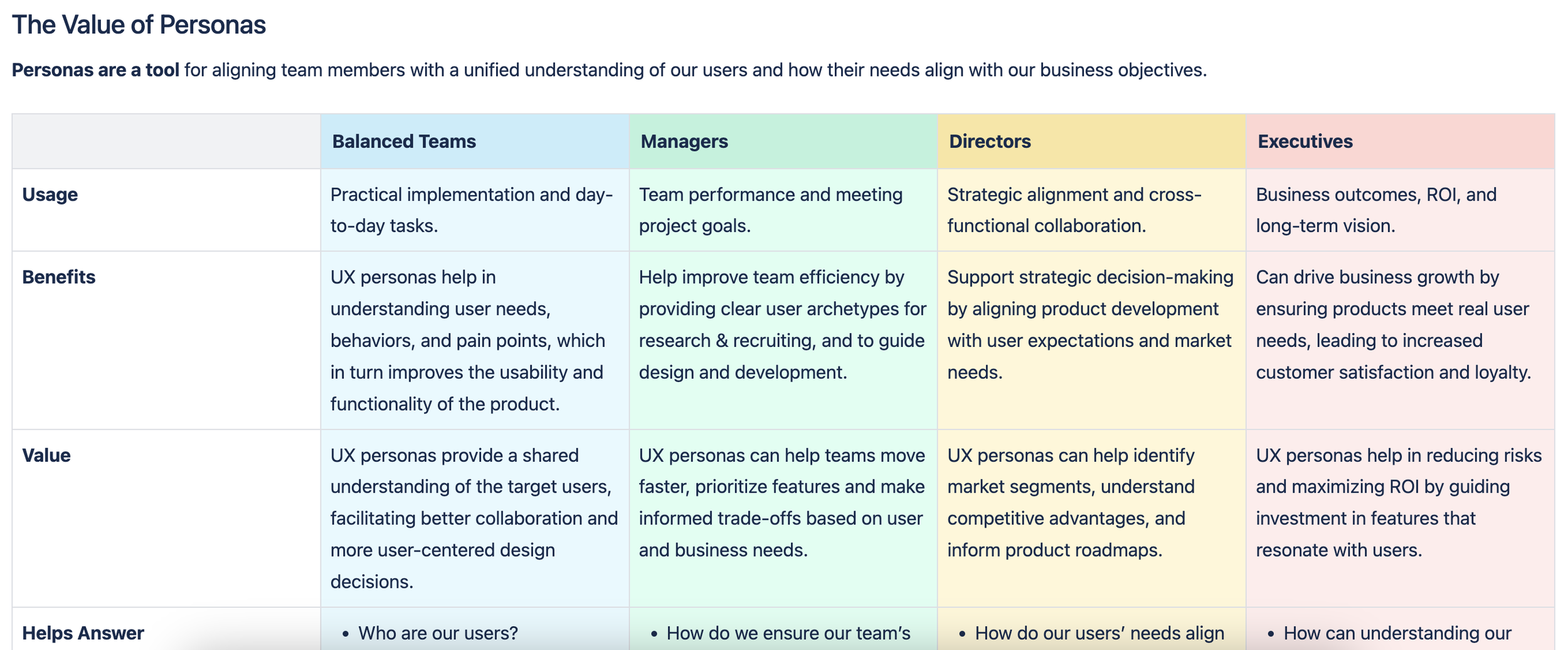
These personas became a shared tool for all teams, helping everyone design, write, and build with the same customers in mind.
Impact

Faster Work, Happier Teams, Better Experiences
Since we implemented these personas, teams are completing projects about 37% quicker, making it simpler to determine priorities and to focus on customer needs effectively, both in terms of timing and importance.
All team members, from designers to product managers, now share a common understanding of our customers.

What’s Next?
We’re not stopping here. Our next steps are helping teams customize the personas for their specific needs and keeping the personas up to date as shopping habits change.
After that, we’ll expand the personas to improve other areas like marketing and product recommendations.
This project taught us that taking the time to understand your customers isn’t just good for them—it’s good for business, too. By working together and focusing on what really matters, we’ve built a strong foundation for even better shopping experiences in the future.